Google DeepMind Sets Scaling Laws for Multilingual Models
TL;DR
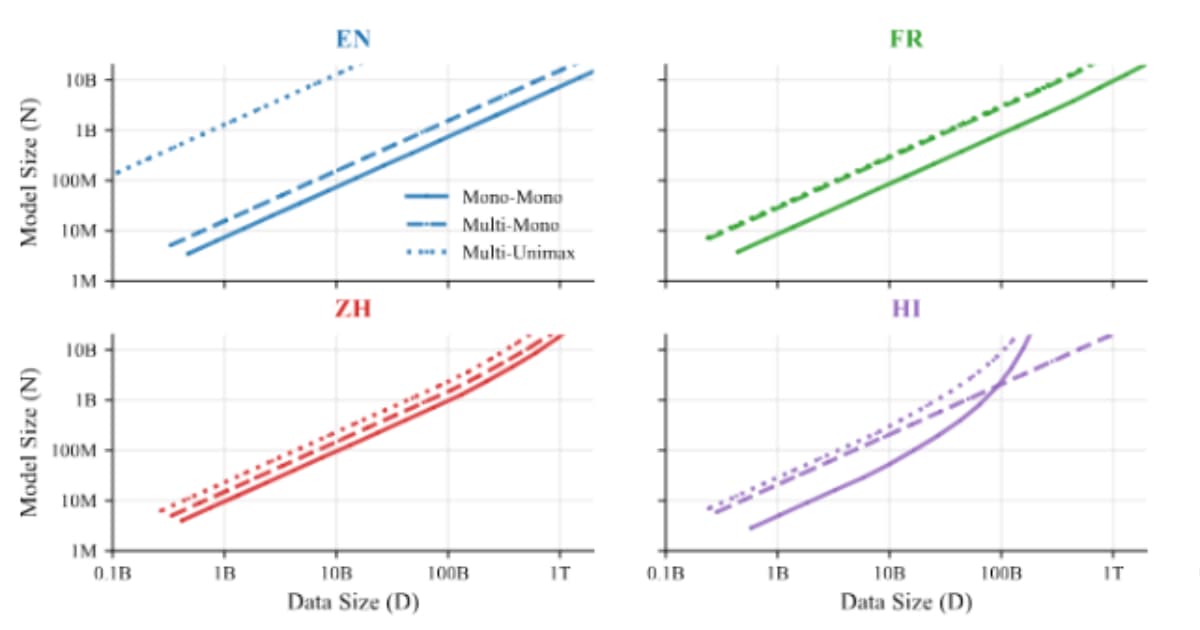
Google DeepMind introduces ATLAS, a set of scaling laws for multilingual language models, formalizing the relationship between model size, training data volume, and language combinations as the number of supported languages increases.
Google DeepMind Introduces New Scaling Laws
Google DeepMind has introduced ATLAS, a set of scaling laws for multilingual language models. These laws formalize the interaction between model size, the volume of training data, and language combinations as the number of supported languages increases.
What are Scaling Laws?
Scaling laws describe how the performance of an artificial intelligence model improves as its size and training data increase. They are essential for understanding how to build more efficient and cost-effective models.
Interaction Between Size and Data
With the introduction of ATLAS, DeepMind analyzes how model size and data volume impact learning. In their study, the team identified that an increase in the number of languages requires diversification of training data to maintain quality.
Impact of Technology on Language Use
These findings could revolutionize how natural language processing (NLP) systems are developed. With models learning to manage multiple languages simultaneously, there is potential to enhance communication and access to information across different cultures.
Future Perspectives
The introduction of ATLAS in the field of multilingual language models suggests a promising future for artificial intelligence. By understanding how to scale models efficiently, it is expected that companies and developers will create more robust solutions that cater to a broader audience, facilitating linguistic inclusion and accessibility.
Content selected and edited with AI assistance. Original sources referenced above.