I Simulate a Human Brain on Supercomputers and Transform Science
TL;DR
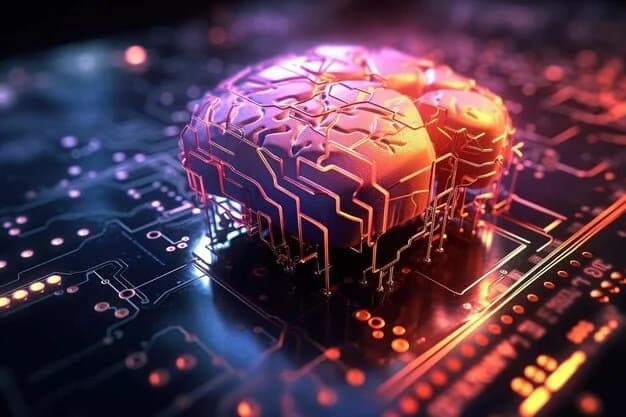
Researchers make significant advances in simulating the human brain using a supercomputer. This technology allows for the reproduction of billions of neurons, enabling real-time observation of information flow dynamics in the brain.
Introduction
Researchers make significant advances in simulating the human brain using a supercomputer. This technology allows for the reproduction of billions of neurons, enabling real-time observation of information flow dynamics in the brain.
What Does the Simulation Involve?
The simulation involves complex modeling processes that replicate brain activity. The use of a supercomputer is essential, as it has the processing capacity necessary to handle the immense amount of data generated by this simulation.
Importance of the Research
According to experts, this technology can offer valuable insights into neurodegenerative diseases such as Alzheimer’s and Parkinson’s. Furthermore, understanding how information flows in the brain could lead to the development of new therapies and treatments.
Future Implications
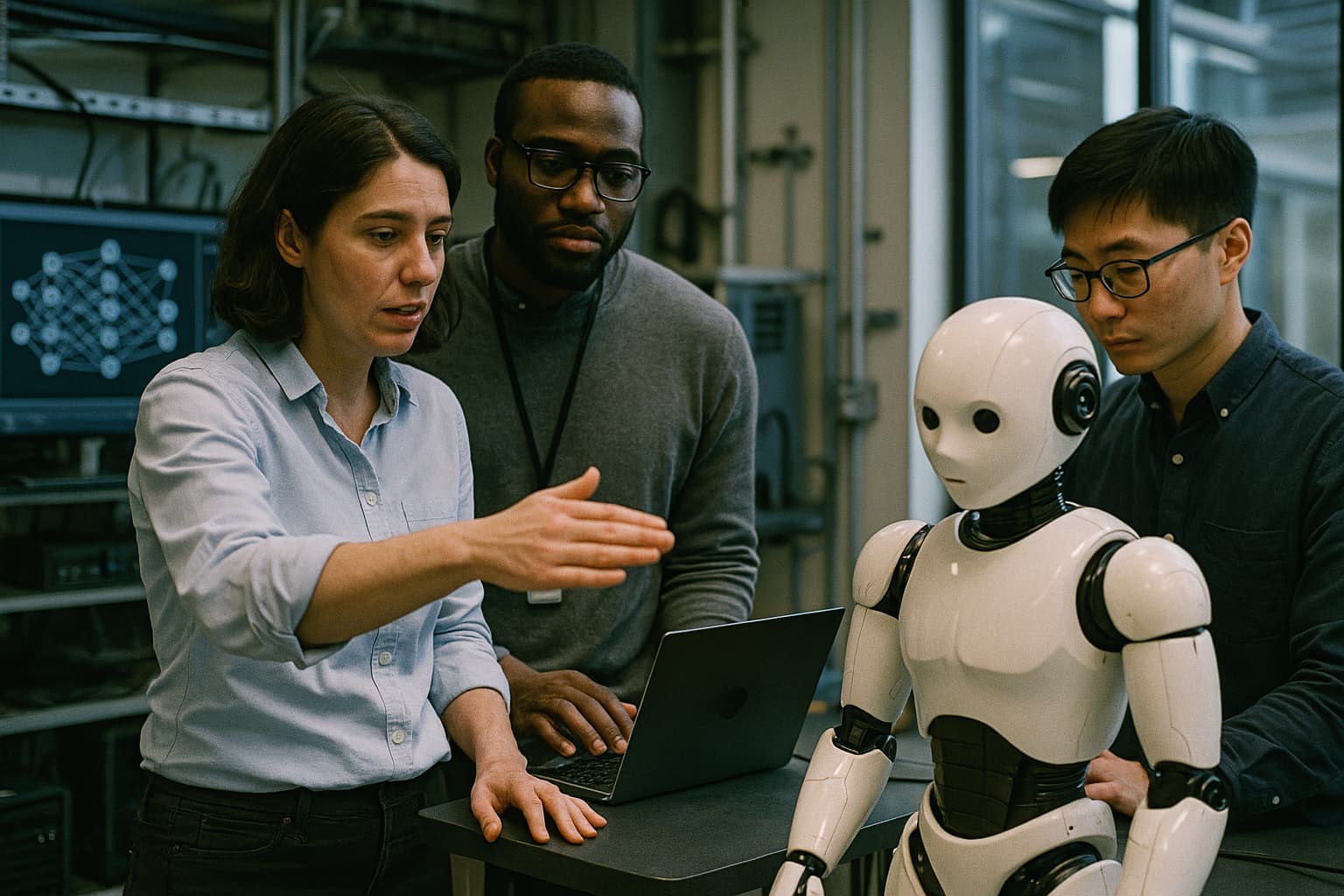
The impact of simulating a human brain with supercomputers could transform not only neuroscience but also areas such as artificial intelligence and robotics. By replicating brain function, it is possible to advance algorithms that mimic cognitive processes.
Conclusion
As simulation technologies improve, it is expected that the understanding of the human brain and associated conditions will expand. Thus, the intersection between computing and neuroscience promises to revolutionize the field of medicine and beyond.
Content selected and edited with AI assistance. Original sources referenced above.