Musk Plans to Build Data Centers in Space but Faces Challenges
TL;DR
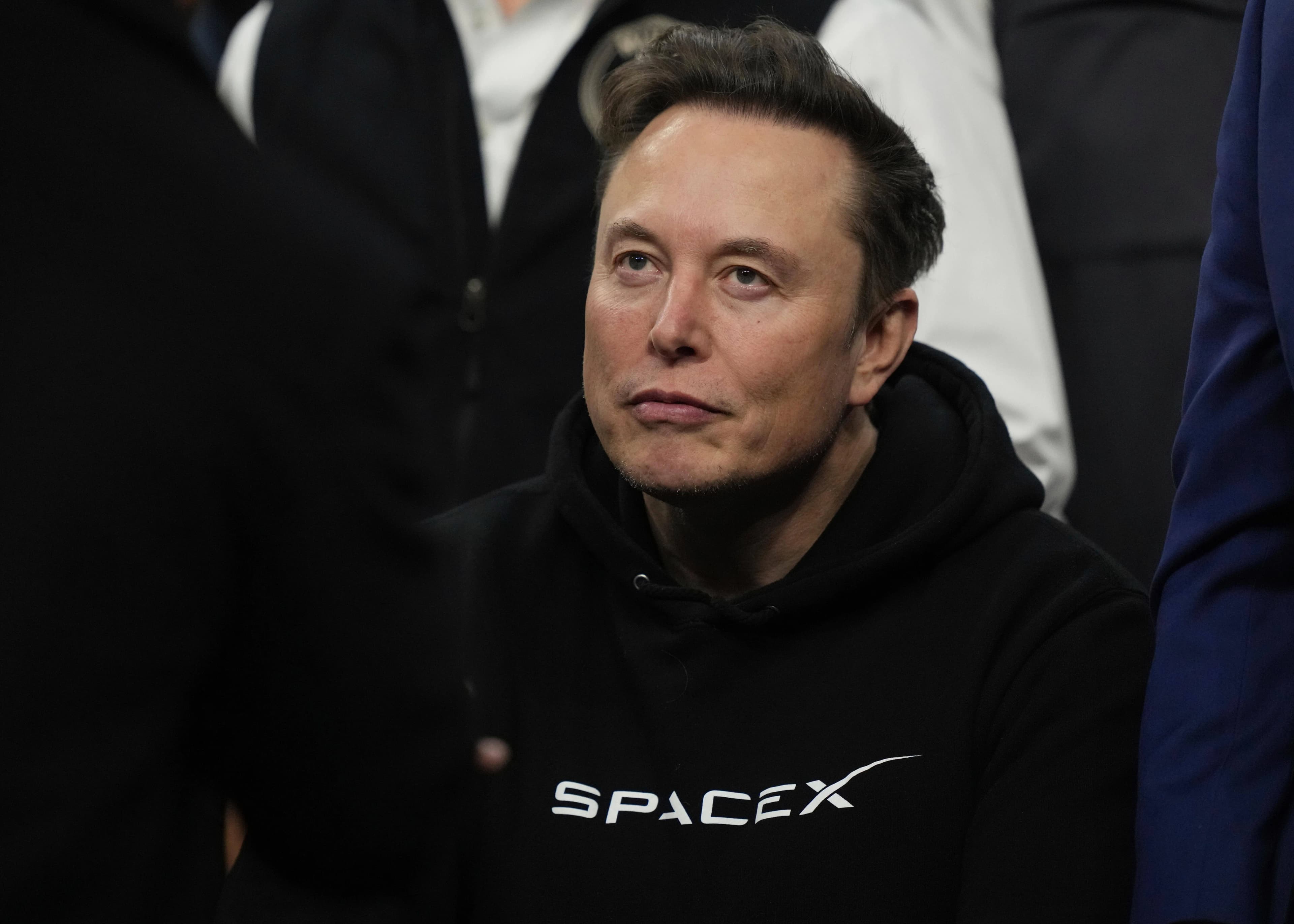
Elon Musk, CEO of SpaceX, unveils his plan to establish up to a million satellites in orbit to create large solar-powered <strong>space data centers</strong>, shifting Artificial Intelligence (AI) processing away from Earth due to the high energy consumption of conventional data centers.
Elon Musk Proposes Data Centers in Space
Elon Musk, CEO of SpaceX, revealed his plan to establish up to one million satellites in orbit aimed at creating large space data centers powered by solar energy. This project intends to shift Artificial Intelligence (AI) processing off Earth due to the high energy consumption of conventional data centers.
Business Model and Technical Challenges
The idea comes after SpaceX acquired xAI, also owned by Musk, expanding its operations in the AI field. In a statement, Musk emphasized: “Space-based artificial intelligence is the only way to achieve scale. In space, it's always sunny!”
However, experts warn about the significant technical and financial obstacles that the initiative faces. Josep Jornet, a professor at Northeastern University, explains that computer chips in space would overheat without proper cooling, requiring solutions like enormous radiating panels.
Cooling Issues
Although space seems to be a cold environment, it is also a vacuum that retains heat. Jornet points out that creating them at a suitable scale for Musk's plans would be challenging: “Enormous and fragile structures would be necessary, never built before.”
Risks of Space Debris
Another critical obstacle is the growing amount of space debris and the potential for collisions. A single malfunctioning satellite could trigger a cascade of impacts that would compromise essential services. John Crassidis, a former NASA engineer, warns that the risk of collisions increases with the number of active satellites.
Maintenance in Space
The challenges are not limited to collisions. Equipment, like chips used in AI, face degradation and failures. On Earth, it would be feasible to send teams for repairs, something that is not possible in space. Baiju Bhatt, CEO of Aetherflux, suggests the idea of including extra chips for replacements, but this implies high costs.
Competition in the Sector
The space race for data centers is not Musk's exclusive domain. Companies like Starcloud and Google are also exploring similar solutions. However, Musk may have an advantage with his Falcon rockets, which are used for the launches of his competitors.
Future Outlook
Musk, with his initiatives, could lead the way towards establishing data processing infrastructures in space, challenging norms and overcoming technological barriers. Meanwhile, the scientific community continues to explore the feasibility and risks of this new frontier.
Content selected and edited with AI assistance. Original sources referenced above.