New York Consider Evaluating Laws to Regulate AI Industry
TL;DR
The New York state legislature is reviewing two proposed laws aimed at regulating the artificial intelligence (AI) industry, including labeling requirements for AI-generated content and a three-year pause on the construction of new data centers.
Proposed Laws Regulate AI-Generated Content
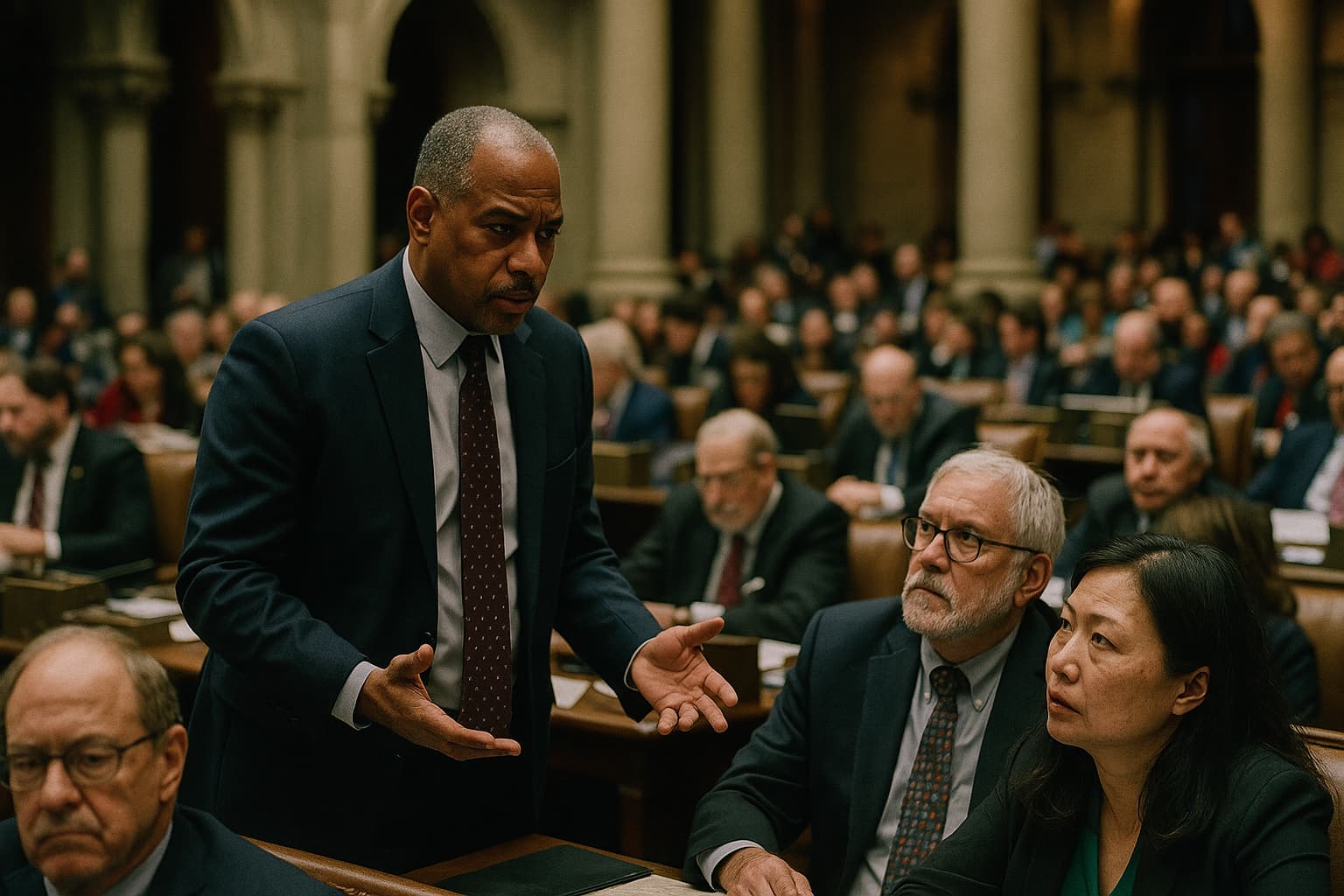
The New York state legislature is reviewing two proposed laws aimed at regulating the artificial intelligence (AI) industry. The measures include requiring labeling on AI-generated content and a three-year pause on the construction of new data centers.
The AI News Fundamental Requirements Bill (NY FAIR News Act) proposes that any news "substantially composed, written, or altered by artificial intelligence" receive a clear label. This initiative seeks to ensure consumer transparency and prevent misinformation.
Additionally, the proposal to pause the construction of data centers is intended to give the state time to examine the environmental and social implications of the explosive growth of data processing infrastructure. Experts highlight the need for a balanced approach in the face of rapid technological evolution.
Impacts and Context of the New Rules
The new laws aim to protect consumer rights and ensure that the use of AI in media respects ethical and quality standards. According to a study conducted by the Massachusetts Institute of Technology, about 60% of consumers claim they prefer to consume news with explicitly established sources.
Challenges and Opportunities
However, these initiatives face resistance from technology companies, which argue that innovation may be hindered by such regulations. It is crucial to find a balance between consumer protection and encouraging innovation in the sector.
Future of AI Regulation
The discussion about AI regulation in New York represents a microcosm of a global debate on how to manage emerging technologies. As AI continues to integrate into various business and social practices, other regions may draw inspiration from these laws, adapting them to their local realities.
This legislative phase could set a precedent that influences AI policies across the country, shaping the future of the relationship between technology and society.
Content selected and edited with AI assistance. Original sources referenced above.