SenseTime Focuses on Multimodal AI to Strengthen Its Position in the Sector
TL;DR
SenseTime, a leader in artificial intelligence in China, is betting on the development of multimodal AI to stand out in the evolving sector.
Introduction to SenseTime's New Strategy
SenseTime, one of the leaders in artificial intelligence in China, is focusing on the development of multimodal AI to distinguish itself in the evolving sector. The company, known for its work in computer vision, aims to position itself in the new phase of technology that integrates different modalities of data and intelligence.
Who, What, Where, When, and How
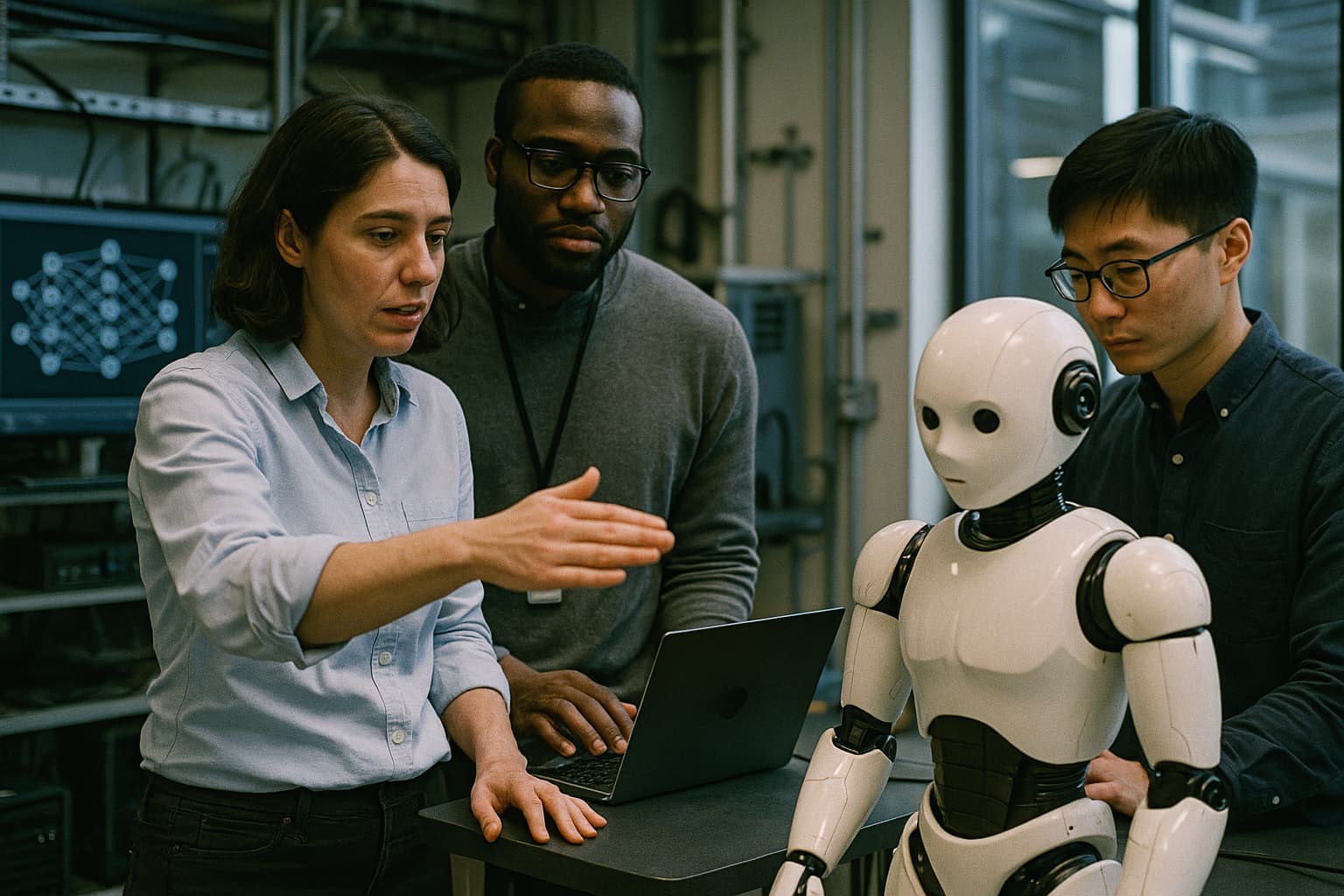
During an interview with the Post, the co-founder and chief scientist of the company, Lin Dahua, emphasized that SenseTime's experience in vision-based AI places it in a privileged position. This shift is in response to the growing demand for systems that simulate human intelligence, or embedded intelligence, in robotics and AI agents.
Focus on Embedded Intelligence
Lin stressed that integrating multiple capabilities—such as vision, language, and physical action—is crucial for the next steps in robotics and more effective interactions with the real world. This approach aims to enhance the efficiency and adaptability of machines in varied environments.
Impact on the Technology Sector
With the rising need for sophisticated solutions, SenseTime aims not only to adapt but to lead in innovation. By strengthening its roots in computer vision, the company intends to develop technologies that directly influence people's daily lives, such as personal assistants and autonomous robots.
Future Perspectives
SenseTime's focus on multimodal AI may redefine how we interact with technology. As these solutions become more prevalent, an increase in the implementation of artificial intelligence in sectors like healthcare, education, and services is expected. This could transform the user experience, bringing tangible benefits such as greater efficiency and precision.
Content selected and edited with AI assistance. Original sources referenced above.