We Explore the Revolution of Browsers with AI
TL;DR
The launch of Comet by Perplexity and OpenAI's browser marks a new chapter in the evolution of web browsers, signifying the emergence of autonomous AI applications that transform how we interact with digital content.
The launch of Comet by Perplexity and OpenAI's browser marks a new chapter in the evolution of browsers. These initiatives are not just mere software updates; they represent the emergence of autonomous artificial intelligence (AI) applications, which operate independently and transform the way we interact with digital content.
Traditional AI, on the other hand, still relies on continuous human intervention. This distinction is crucial as it indicates a shift in humanity's interaction with online information. Data from SimilarWeb highlights a dramatic increase in the use of AI platforms in Brazil between 2023 and 2025, with ChatGPT growing from 18,840 to over 20 million users, an increase of over 111,000%.
Google Gemini and DeepSeek have also shown impressive growth, indicating a significant shift in digital behavior. Amy Webb emphasizes that this transformation represents a structural change, not merely a passing trend. Platforms are moving toward a model of "walled gardens", where information is filtered and interpreted, altering our experience of accessing the web.
The New Shift: Reimagining Control
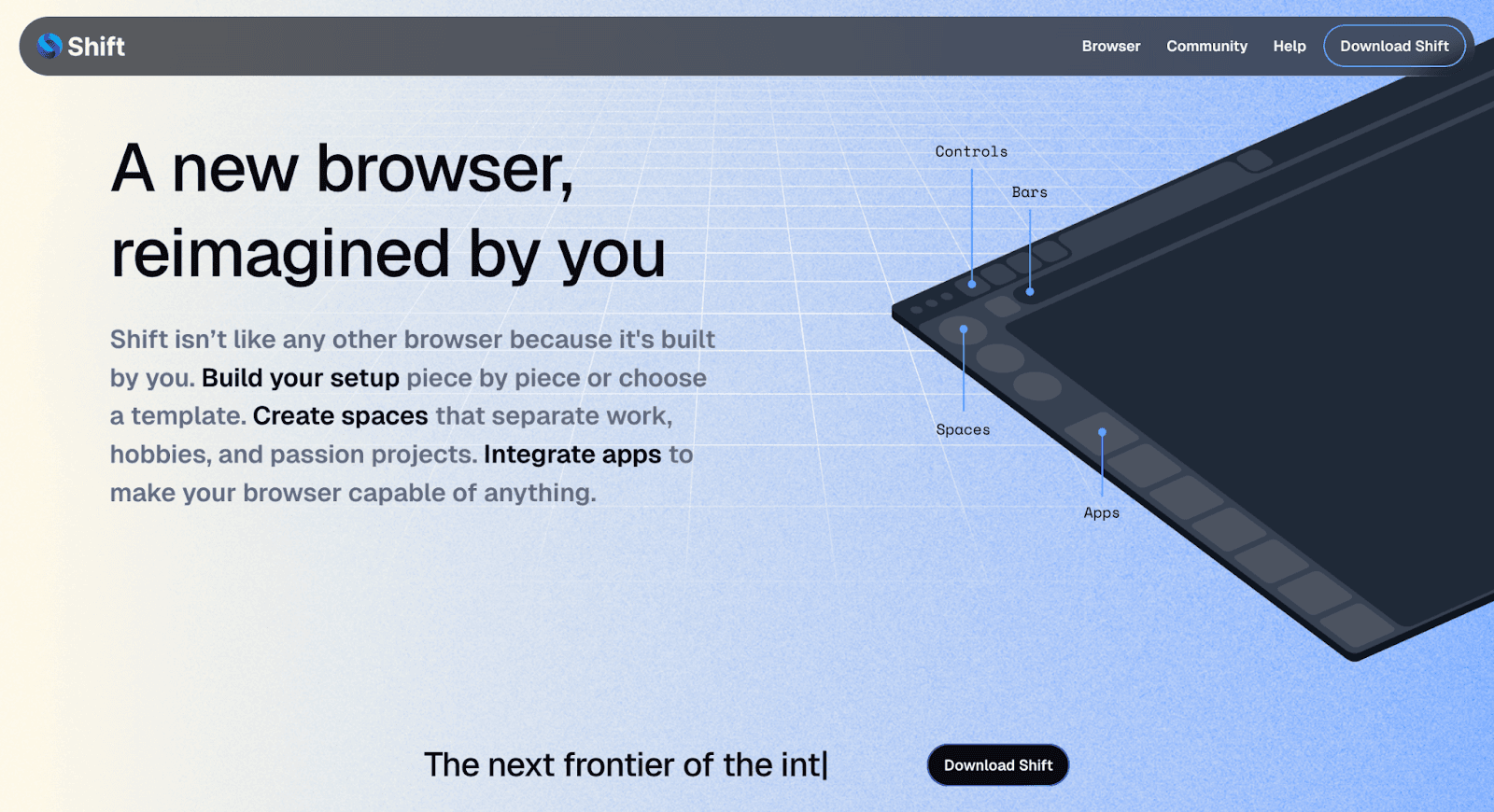
The Shift Browser proposes an innovative concept: a browser that allows total customization of the interface through drag-and-drop functionalities. Users can create a unique browsing experience, organizing their interface according to their needs, dividing spaces for different activities like work and leisure.
This tool, while not entirely AI-first, emphasizes the need for user control in browsing, setting it apart from fully autonomous models. The idea is that browsing should be shaped by the user instead of imposed by technology.
Google Gemini: A Hybrid Model
Google Gemini combines intelligent automation with human oversight, functioning as a contextual assistant within the Chrome browser. This functionality provides summaries and suggestions, helping users make decisions quickly.
In this way, Google seeks to balance innovation and user trust with a system that maintains the familiar structure of Chrome. AI functionalities are present in various areas of the platform, enhancing performance and security while only appearing visibly in Gemini.
Perplexity Comet: A Conscious Revolution
Described as a "cognitive operating system", Comet transforms the browsing experience into a deeper thinking process. CEO Aravind Srinivas proposes that we are moving from "browsing" to "thinking," enabling interaction with information in a more intuitive and contextualized manner.
Despite the high cost, Comet reflects a premium model that accentuates cognitive convenience. It is built on Chromium, respecting existing extensions while offering additional privacy and control tools.
OpenAI: A New Era on the Internet
OpenAI aims to revolutionize access to information, with plans to replace the existing internet with ChatGPT by 2026. This system aims to be the "homepage of the world," where all human-computer interactions would be mediated by AI.
However, the challenge is that this change may divert traffic from original information sources, creating a new oligopoly of information controlled by AI, where content is mediated directly.
Anthropic: Governance and Responsibility
Anthropic seeks to stand out for its responsible governance practices by signing the "AI General Purpose Practice Code" from the European Union. This initiative aims to ensure that advancements in AI do not compromise the safety and accountability of operations.
The Invisible Risks
The accelerated development of AI raises concerns about the risks associated with data security. The lack of user understanding of necessary permissions may lead to exposure to cyber-attacks, demanding a more cautious approach from companies.
The Interface as a Challenge
OpenAI's ambitions to transform ChatGPT into "your internet" reflect an underestimation of the complexities of web browsing. The structure of the internet is not linear, and the graphical experience is essential for informed decision-making. Sequential interaction models can be limiting in contexts that require simultaneous comparison and exploration.
Implications for the Future
The transformation of browsers will drive three main strategic actions: auditing the dependency on AI in critical decisions, anticipating and preparing for future regulations, and developing interface strategies that maintain direct control over customer interactions.
AI-first browsers have the potential to profoundly impact how we consume information, but their consequences require careful and proactive governance to ensure a sustainable and ethical future.
Content selected and edited with AI assistance. Original sources referenced above.