Criminals Use WhatsApp and AI to Execute Sophisticated Scams
TL;DR
A new digital scam, called OPCOPRO, employs artificial intelligence to create fictitious communities and characters, deceiving investors via WhatsApp. Discovered by security firm Check Point, this scheme represents an evolution of social engineering aimed at building trust with victims before the fraud occurs.
A new digital scam, called OPCOPRO, employs artificial intelligence to create fictitious communities and characters, deceiving investors via WhatsApp. Discovered by security firm Check Point, this scheme represents an evolution of social engineering aimed at building trust with victims before the fraud occurs.
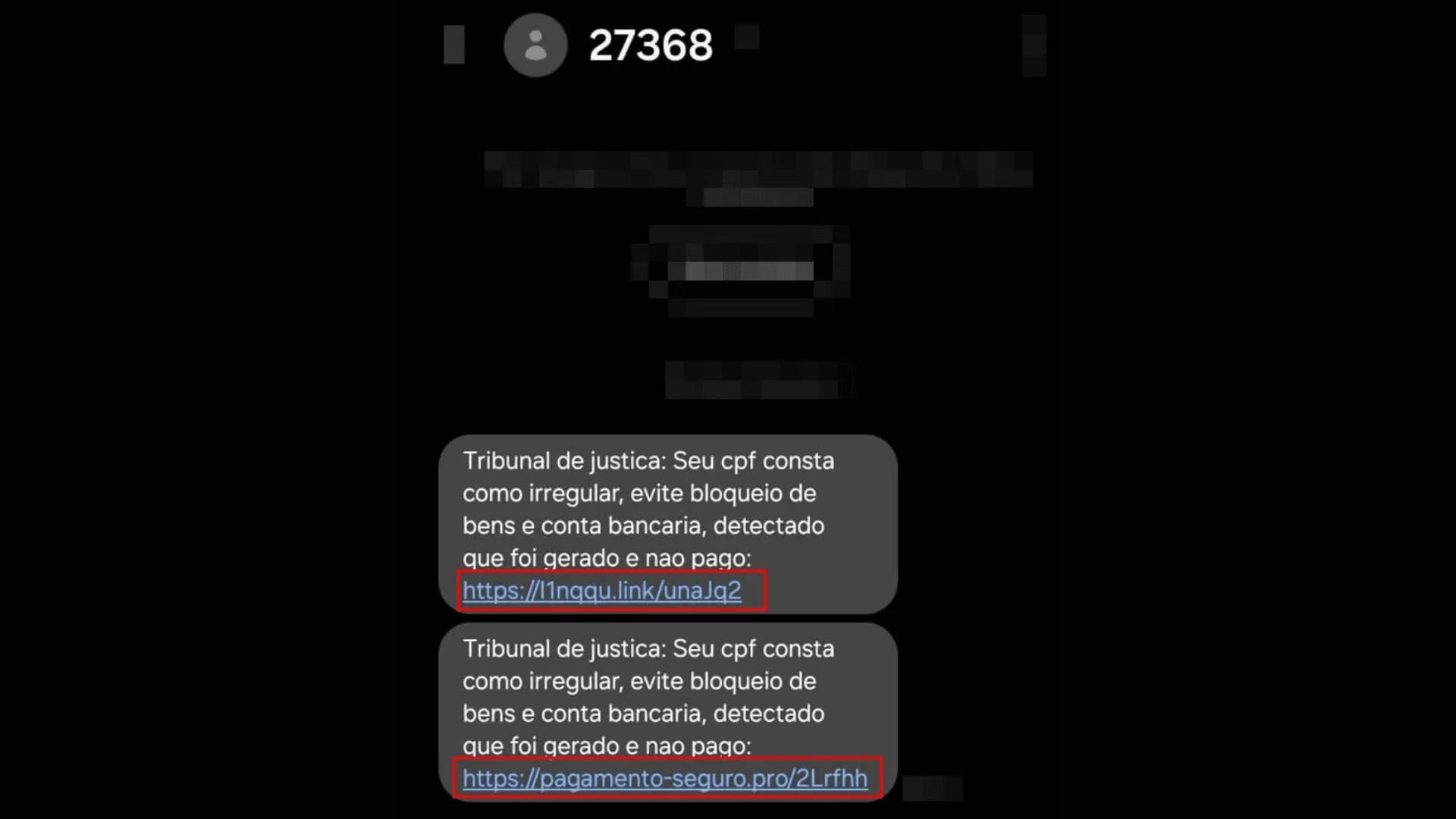
The scammers send SMS messages disguised as coming from renowned financial institutions, promising exorbitant returns of up to 70% on investments. When the victim clicks the link, they are redirected to a private WhatsApp group.
How the Scam Works
In the group, two administrators - Professor James and his assistant Lily - use AI-generated photos and do not exist in real life. With up to 90 members, most are bots that simulate a lively and profitable investment environment.
These bots interact with the victim in an automated manner, sharing fake profits and praising Professor James's strategies. Check Point found that the bots use VoIP-based phone numbers, making them difficult to trace.
Apps in Official Stores: A Dangerous Trick
After gaining the victims' trust, the scammers encourage the download of an app called O-PCOPRO, available in the Apple App Store and Google Play Store. Presence on these platforms lends a false legitimacy.
The criminals also provide forged documents, including a "cooperation agreement" that ostensibly links the app to Oppenheimer Holdings, a real financial market company. Once installed, the user undergoes a KYC (Know Your Customer) verification process.
An App With No Real Functionality
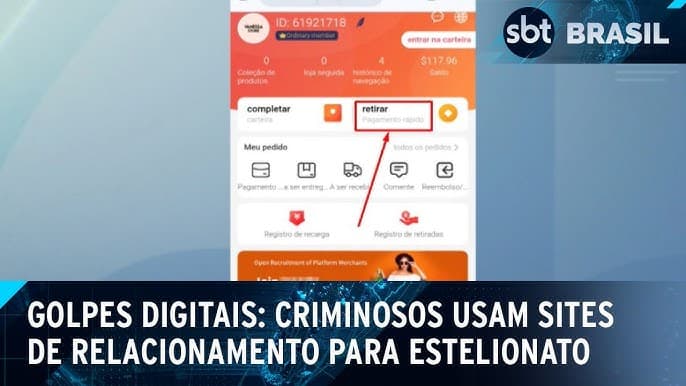
According to Check Point, the O-PCOPRO app offers no investment functionalities. It operates as a WebView, displaying data manipulated by the scammers. After obtaining the victim's documents, they promise fictitious returns between 370% and 700% to persuade them to invest.
Once the deposit is made, the amount disappears. Additionally, the personal documents collected can be used in SIM swap attacks, allowing access to bank accounts and even the victim's identity in professional environments.
Growing Cyber Fraud
The OPCOPRO scam reveals a troubling increase in digital fraud. According to the World Economic Forum's Global Cybersecurity Outlook report for 2026, fraud and phishing attacks are now top concerns for business leaders.
In the study, 77% of executives reported an increase in cyber fraud, and 73% or someone on their team has become a victim of such attacks. The most common types include phishing via email, smishing, and vishing.
AI as a Tool for Scammers
The use of artificial intelligence has heightened cyber security risks. An alarming statistic is that 87% of business leaders have noticed an increase in AI-related vulnerabilities over the past year.
Jeremy Jurgens, managing director of the World Economic Forum, states that cyber fraud stands out as a disruptive force in the digital economy. He emphasizes the need for coordinated action between governments and companies to develop cyber resilience.
How to Protect Yourself
To avoid falling victim to scams like OPCOPRO, experts recommend caution with investment offers and promises of unusually high financial returns. Never share personal documents without verifying the legitimacy of a platform.
Research the reputation of companies before making investments and, in case of doubt, validate information directly with financial institutions through their official channels.
The World Economic Forum report points out that building a secure digital future requires more than just technical solutions; it involves decisive leadership and a commitment to collective resilience.
The OPCOPRO case illustrates how the barrier between true and false becomes increasingly blurred in the digital space as criminals utilize technological innovations for ever more sophisticated scams.
Content selected and edited with AI assistance. Original sources referenced above.