We Monitor 180 Fraudulent Sites Per Hour on Black Friday
TL;DR
A survey by Redbelt Security reveals that Brazil is facing the creation of up to 180 fraudulent sites per hour during Black Friday. The cybersecurity consultancy conducted the study between November 1 and 24, observing an increase in the number of fraudulent domains related to the promotional week.
Brazil Registers 180 Fraudulent Sites Per Hour
A survey by Redbelt Security informs that Brazil is facing the creation of up to 180 fake sites per hour during Black Friday. The cybersecurity consultancy conducted the study between November 1 and 24, observing an increase in the number of fraudulent domains related to the promotional week.
In total, 5,125 fraudulent pages that mimic legitimate content were identified. The first week of November recorded 881 fake pages, averaging 128 per day. In the second week, the number rose to 1,233 pages.
The most alarming growth occurred in the third week, where 2,423 new fraudulent pages were identified, representing an increase of 96% compared to the previous period. According to Redbelt Security, by the time Black Friday arrives tomorrow, the number of criminal pages could exceed 6,000.
Automation and Vulnerabilities in Promotions
Eduardo Lopes, CEO of Redbelt Security, states: "The speed of creation of these pages indicates that groups are using automation and artificial intelligence to adjust content and expand the reach of attacks. It is common for emergencies like Black Friday to stimulate fraud, as people tend to act on impulse."
The report also reveals a pattern in scams, where criminals use visual elements from major retailers and travel platforms. The primary focus appears to be on electronics and fake airline tickets, often advertised with significant discounts.
Additional data highlights that, during major promotional periods, on average 14 fake pages per hour emerge, which equates to a new page every four minutes.
Recommendations to Avoid Fraud
- Always check the full URL of sites and whether the domain is official.
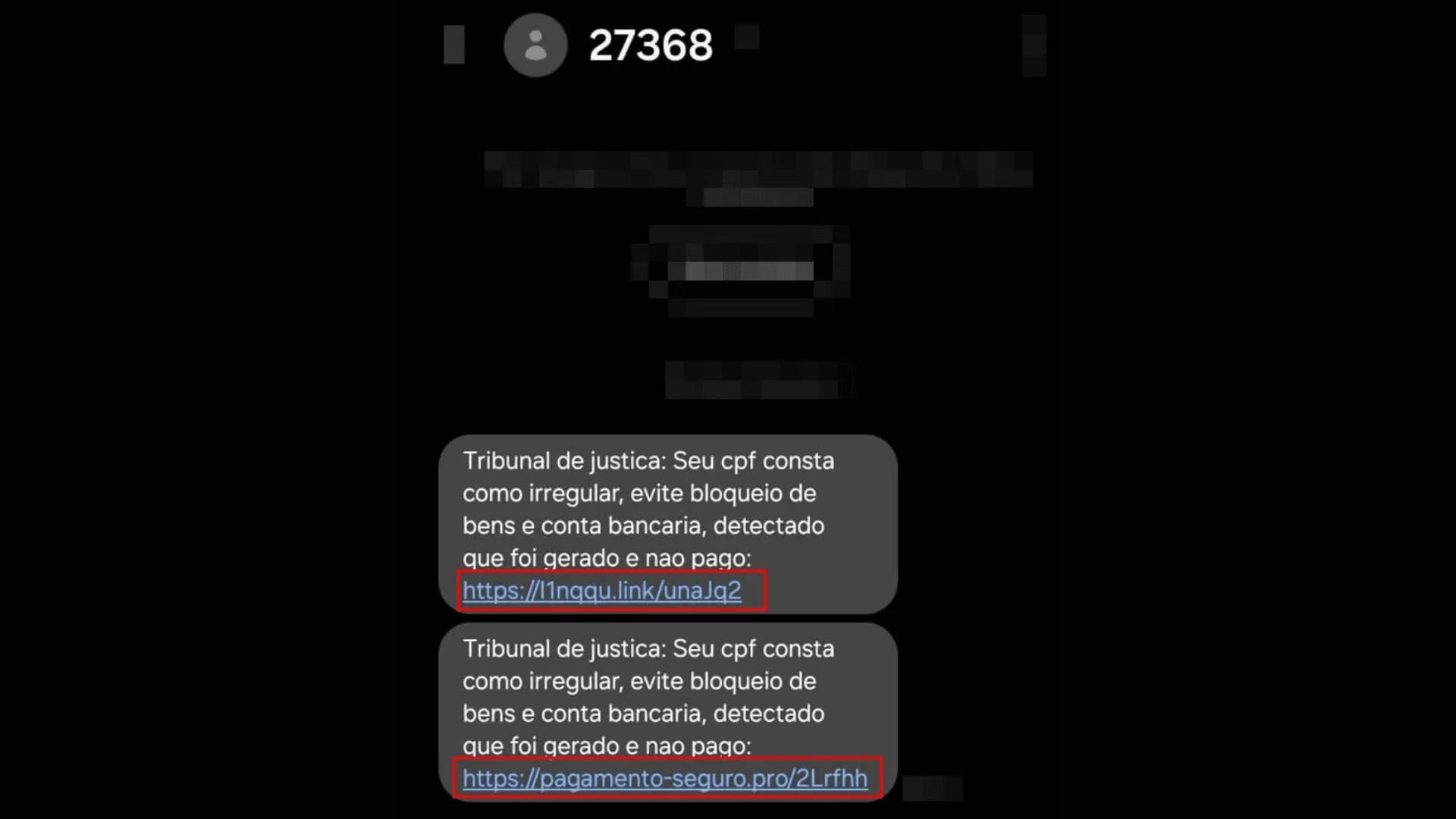
- Avoid clicking on unknown links sent by promotional emails or groups.
- Pay attention to visual elements, such as low-quality logos.
- Use strong passwords for your email accounts and applications.
- Enable two-factor authentication on your accounts.
In addition to pages that imitate legitimate content, Black Friday and year-end festivities are prime times for phishing fraud. It is essential to remain vigilant regarding emails offering unexpected promotions or requesting fees to release orders.
Conclusion
The increasing use of technologies such as artificial intelligence in the creation of fraud makes it necessary for consumers to stay vigilant during promotional periods. Being attentive to digital security measures can help mitigate risks and ensure safer online transactions.
Content selected and edited with AI assistance. Original sources referenced above.