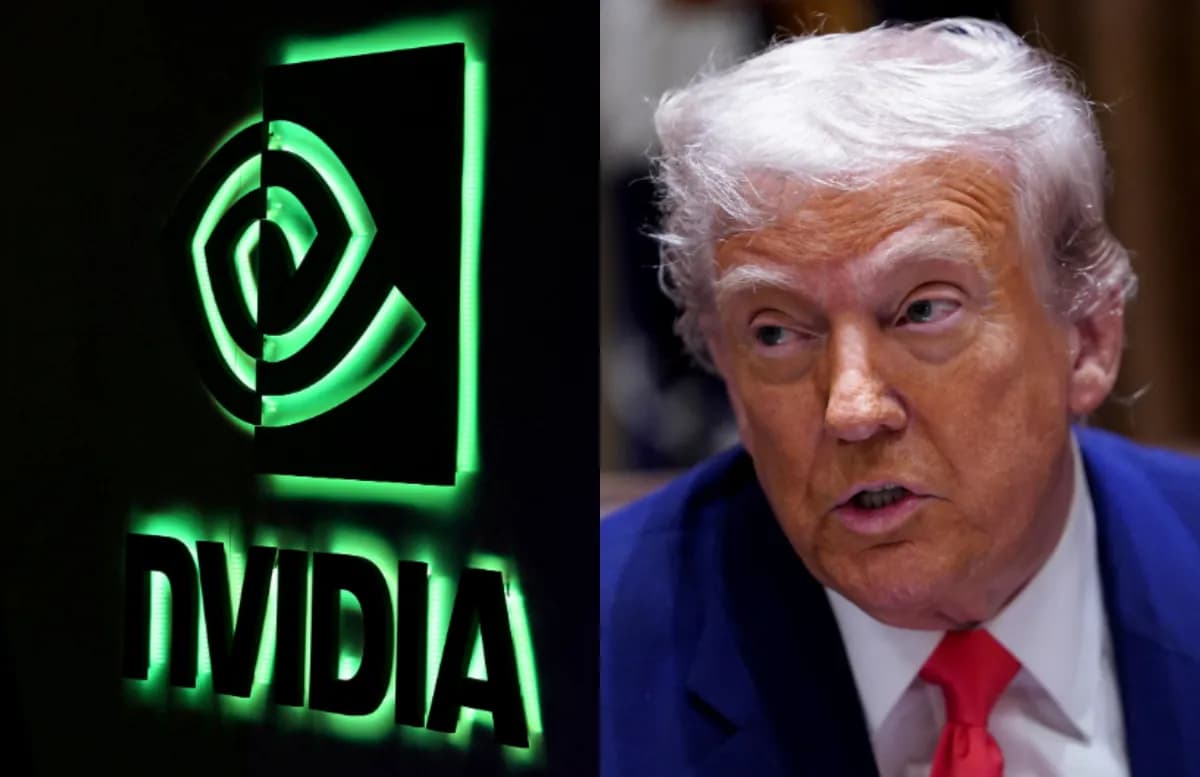
Trump Imposes 25% Tariff on Artificial Intelligence Chips
TL;DR
On September 14, 2023, U.S. President Donald Trump announced a 25% tariff on certain artificial intelligence (AI) chips, including Nvidia's H200 and AMD's MI325X, based on a new national security order stemming from a nine-month investigation.
Trump Imposes Tariffs on AI Chips
On September 14, 2023, U.S. President Donald Trump announced the imposition of a **25%** tariff on certain **artificial intelligence (AI) chips**. The measure covers processors such as Nvidia's **H200** and AMD's **MI325X**. This decision was based on a new national security order, which resulted from a nine-month investigation.
Motivation and Legal Foundations
The tariff was implemented under the auspices of Section 232 of the **Trade Expansion Act** of 1962. According to the White House, the measure targets high-performance semiconductors that meet specific technical criteria. The goal is to stimulate domestic manufacturing of chips, reducing reliance on suppliers, especially in regions such as **Taiwan**.
Dependence on External Production
The government pointed out that the U.S. manufactures only about **10%** of the chips it needs, which poses an economic and national security risk. In the document presented, the White House emphasized the importance of strengthening local supply chains.
Exemptions and Tariff Waivers
The tariff does not apply to chips and devices used in **data centers**, as they are large consumers of AI chips. Products intended for startups and consumer applications outside these centers are also exempt. The Secretary of Commerce, **Howard Lutnick**, will have the authority to grant new waivers.
Impact on the Technology Market
Following the announcement, shares of **Nvidia**, **AMD**, and **Qualcomm** registered a slight decline in the market after regular trading hours. The previous administration, under President Joe Biden, had already initiated an investigation into unfair trading practices related to chips considered **legacy**, which are older technology.
Future Steps and Regulations
Recently, the Trump administration decided that chips intended for China must make a stop in the U.S. for testing, increasing oversight over these products. AMD, in a statement, confirmed it is in compliance with U.S. export control laws. Nvidia did not immediately comment on the new tariff.
Conclusion
The recent tariff decision reflects a more cautious approach by the government regarding chip imports. The measure may imply a strategic shift in the technology sector and influence the future of the **semiconductor industry** in the U.S., emphasizing the need for self-sufficiency in technology supply.
Content selected and edited with AI assistance. Original sources referenced above.