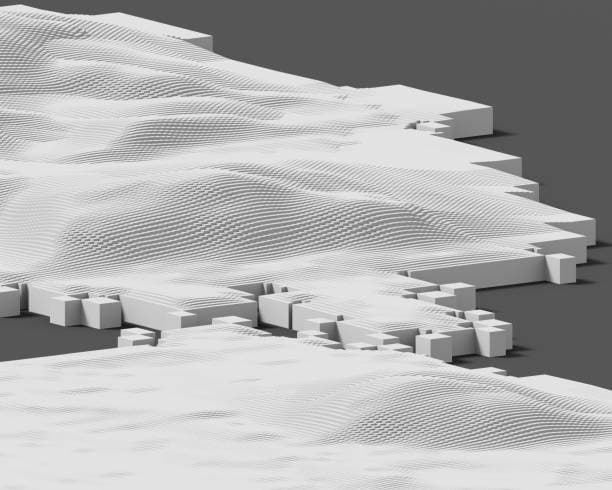
Transform Sparse Voxel Rasterization for Real-Time Rendering
TL;DR
A rasterização de voxels esparsos representa campos de radiação em 3D com precisão e em tempo real.
What is Sparse Voxel Rasterization?
The Sparse Voxel Rasterization represents 3D radiation fields accurately and in real-time. This technique uses voxels, which are three-dimensional elements, to create detailed images of complex scenes.
How does the technology work?
The technology combines advanced sampling algorithms and optimized data structures, improving graphics processing performance. The rasterization analyzes the light emitted by objects in the scene, resulting in more realistic and dynamic images.
What are the benefits?
Among the main benefits is the ability to render scenes in real-time, allowing game developers and digital artists to create more immersive experiences. A study from the University of California indicates that this technique can reduce rendering time by up to 50% compared to traditional methods.
How does this impact the future of rendering?
The application of Sparse Voxel Rasterization can revolutionize game design and simulators. With more realistic graphics and instant interactivity, users will enjoy a new era of augmented and virtual reality applications.
Future Prospects
The ongoing development of Sparse Voxel Rasterization can open new possibilities for virtual environments, providing richer views and interactive experiences. Integration with artificial intelligence can further enhance the quality of digital content.
For more details, check the comments on this topic here.
Conteudo selecionado e editado com assistencia de IA. Fontes originais referenciadas acima.